The Ultimate Guide to Choosing Performance Running Shoes
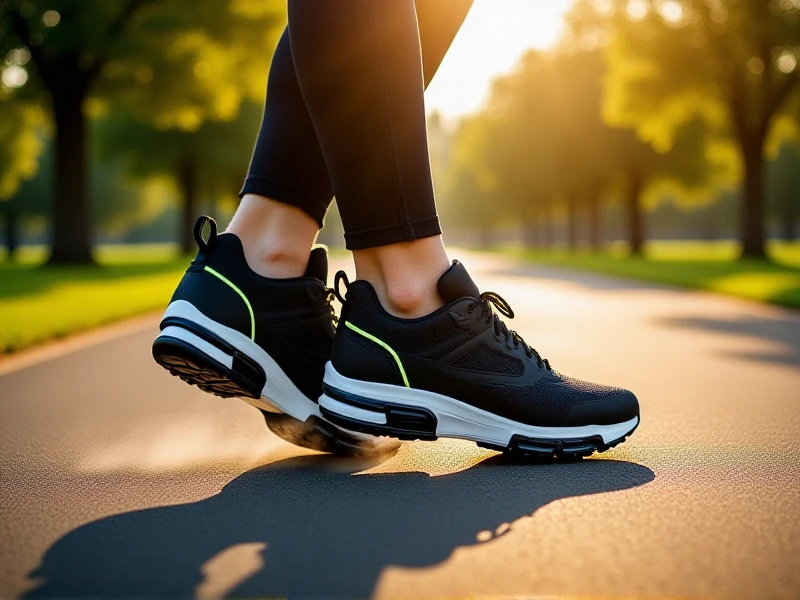
What if the wrong shoes are silently sabotaging your runs? Choosing the right running shoes isn't just about style; it's fundamental for performance, comfort, and injury prevention. With countless options flooding the market—trail, road, racing, stability, cushioned—finding your perfect pair can feel overwhelming. Let’s break down what truly matters.
Why Proper Running Shoes are Non-Negotiable Each stride subjects your feet, ankles, knees, and hips to significant impact—up to 2-3 times your body weight. Running shoes are engineered to absorb this shock, provide stability where needed, and propel you forward efficiently. Worn-out or ill-fitting shoes dramatically increase injury risks like shin splints, plantar fasciitis, or stress fractures. Conversely, the right shoes enhance comfort, enabling longer, stronger runs, and faster recovery.
Finding Your Perfect Fit: Key Considerations
- Terrain: Road shoes prioritize cushioning for pavement. Trail running shoes offer aggressive tread and reinforced uppers for rugged paths and unpredictable surfaces. Cross-trainers won’t suffice for dedicated runners.
- Distance & Training Goals: Neutral trainers are versatile for daily runs. Long-distance lovers or heavier runners often prefer max-cushioned options. Racing flats are light and fast, prioritizing speed over long-term support and cushioning - best reserved for race day.
- Foot Type & Gait: This is crucial. Do you overpronate (foot rolls inward)?
- Neutral: Suitable for natural pronation or mild stability needs.
- Stability: Feature medial support posts for moderate overpronation.
- Motion Control: Offer maximum structure for severe overpronation.
- Underpronation (Supination)? Prioritize highly cushioned, flexible neutral shoes. Tip: Analyze your gait at a specialty running store using expert staff or treadmills. The simple "wet foot test” on paper can reveal your arch type (low arch often correlates with overpronation, high arches may supinate).
Essential Features for Modern Running Performance
- Midsole Foam Tech: Materials like durable EVA, responsive TPU, or proprietary blends (Nike React, Adidas Boost, Saucony PWRRUN ) define cushioning, energy return, and weight.
- Outsole Design: Durable rubber placement affects wear patterns and grip. Deeper lugs are essential for trail traction. Look for strategic flex grooves for a natural feel.
- Upper Construction: Engineered mesh promotes breathability and a snug, adaptable fit without pressure points. Heel counters provide rearfoot stability. Tongues and collars should be padded for comfort but not bulky.
- Geometry: Rocker soles encourage smooth heel-to-toe transitions, improving stride efficiency and potentially reducing fatigue.
Pro Tips for Smart Selection & Care
- Shop Late in the Day: Feet swell slightly after activity. Mimic your real running state.
- Wear Running Socks: Bring your usual socks for an accurate fit trial.
- Thumb Rule: Ensure adequate space (about a thumb’s width) between your longest toe and the shoe's end.
- Heel Lock: The heel should feel secure with minimal slippage.
- Replace Timely: Monitor midsole compression and outsole wear. Generally, replace shoes every 300-500 miles. Listen to your body – new aches often signal worn-out shoes.
- Rotate Shoes: Having 2 pairs allows cushioning to rebound and reduces repetitive strain risk.
The Bottom Line Investing time to find the right running shoes pays dividends in comfort, performance, and protecting your body. Analyze your needs honestly, prioritize support and cushioning aligned with your mechanics. Don't settle for "good enough" – your best runs depend on finding the technical footwear engineered to power them safely. Stop letting the wrong footwear limit your stride; equip your feet for peak performance today.