Find Your Perfect Running Shoes: Comfort Meets Performance
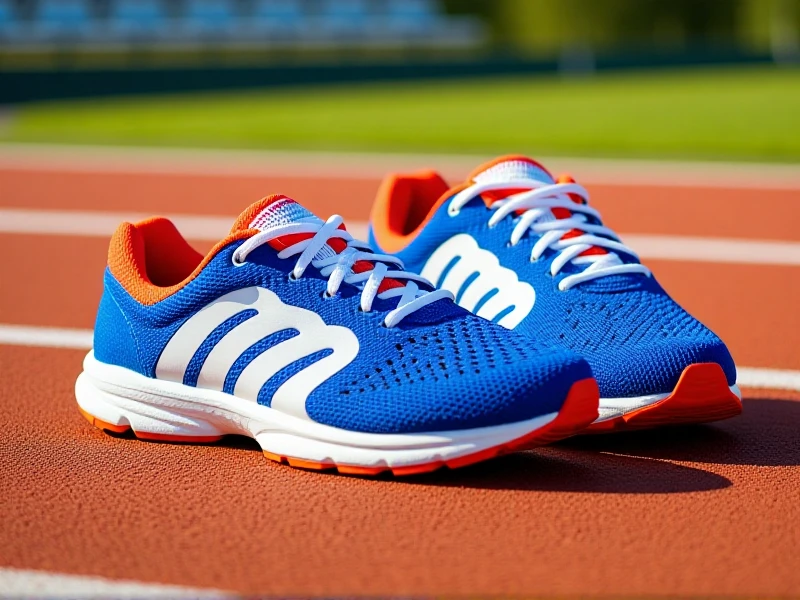
Selecting the right running shoes transforms your workout from a chore into a joy. With endless options on the market, understanding key features helps you avoid injuries and maximize efficiency. Your running shoes serve as your foundation—impact absorption, arch support, and traction all contribute to a safer, more effective run.
Consider your foot type before purchasing. Overpronators benefit from motion-control shoes with firm midsoles, while neutral runners need balanced cushioning. Trail running shoes offer aggressive treads for uneven terrain, contrasting with sleek road-running designs that prioritize lightweight responsiveness. Brands like Nike, Brooks, and ASICS continually innovate—Nike’s React foam provides energy return, while Brooks’ GuideRails support natural knee alignment.
Replace running shoes every 300-500 miles. Worn-out midsoles lose shock absorption, increasing stress on joints. For daily training, prioritize durability and cushioning. Race-day options like carbon-plated models optimize speed but sacrifice longevity. Rotate between two pairs to extend shoe life and adapt to different workouts.
Beyond functionality, modern running shoes blend style with technology. Reflective details enhance visibility for night runs, and breathable mesh uppers keep feet cool during summer sessions. Always test new shoes later in the day when feet expand, ensuring optimal toe room. Investing in proper running shoes elevates performance—whether you’re clocking 5k sprints or marathon distances, your feet deserve engineered support. Ready to upgrade? Visit local stores for gait analysis—it’s the smart first step toward your personal best.