Finding Your Perfect Running Shoe Fit: Comfort Meets Performance
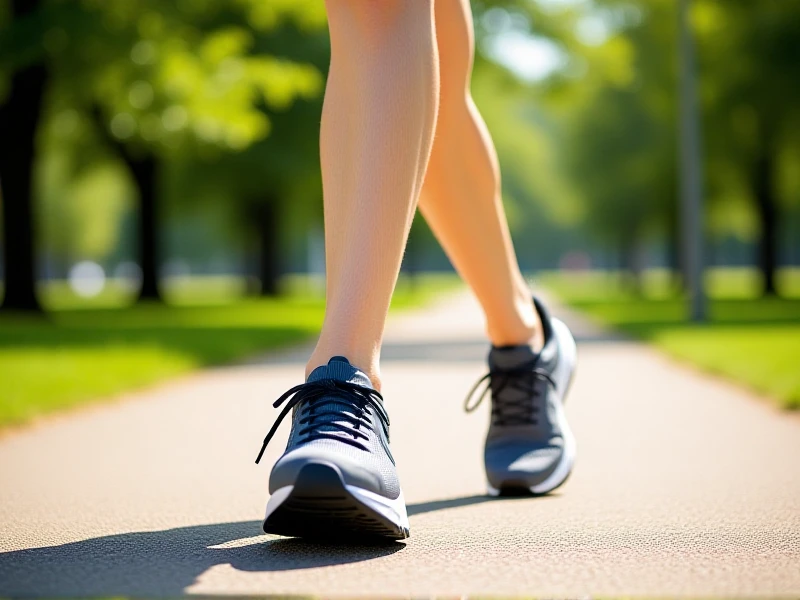
Choosing the right running shoes isn't just about aesthetics; it's fundamental to your performance, comfort, and injury prevention. Whether you're a seasoned marathoner or lacing up for your first 5K, understanding the nuances of running footwear is crucial. This guide helps you navigate the crowded market and find the optimal pair.
Why Proper Running Shoes Matter
Your feet endure significant impact with every stride. Well-designed running shoes provide essential cushioning to absorb shock, protecting your joints from knees to hips and back. They also offer stability, vital for controlling foot motion (pronation) and maintaining efficient form. Ill-fitting or worn-out shoes drastically increase the risk of common injuries like shin splints, plantar fasciitis, and stress fractures. The right shoe enhances comfort, allowing you to run longer distances with less fatigue and more enjoyment.
Key Features and Technologies
Modern running shoes boast impressive tech:
- Cushioning Systems: Materials like gel, foam, or air pockets strategically placed in the midsole absorb impact. Levels range from maximal (soft, plush) to minimal (firm, ground-feel).
- Support Structures: For runners who overpronate (feet roll inward excessively), stability shoes incorporate medial posts or guide rails. Neutral runners typically need less support.
- Outsoles: Durable rubber compounds, often with specialized tread patterns, provide essential traction on varied surfaces, from roads to trails.
- Uppers: Engineered mesh offers breathability and a secure, adaptive fit, accommodating natural foot swelling during runs.
- Drop: The height difference between heel and forefoot (measured in millimeters) affects gait and muscle engagement. Common drops range from 0mm (minimalist) to 12mm.
Finding Your Ideal Match
Follow these steps:
- Analyze Your Gait: Visit a specialty running store for a gait analysis. Experts observe your stride on a treadmill to determine if you need neutral, stability, or motion control running shoes.
- Consider Your Run: What surface? Road shoes prioritize cushioning; trail shoes offer rugged outsoles and protection. What distance? Cushioning needs increase with mileage.
- Prioritize Fit: Always try shoes on in the afternoon when feet are slightly swollen. Ensure a thumb's width of space at the toe. Heel should be secure without slipping. Width matters too.
- Test Comfort: Run or jog around the store. Avoid any pressure points or rubbing. Comfort is paramount from the first step.
- Replace Regularly: Running shoes lose support and cushioning over time. Typically, replace them every 300-500 miles to maintain optimal function and protection.
Popular Running Shoe Categories
- Neutral Cushioned: For runners with efficient biomechanics needing impact absorption (e.g., Brooks Ghost, Hoka Clifton).
- Stability: For mild to moderate overpronation, combining cushioning with medial support (e.g., ASICS Gel-Kayano, Saucony Guide).
- Motion Control: For severe overpronation, offering maximum support and structure. Less common recently.
- Racing Flats / Competition: Lightweight and responsive for speedwork and races, sacrificing some cushioning.
- Maximal Cushioning: Extra thick midsoles for superior shock absorption on long runs (e.g., Hoka Bondi).
- Trail Running: Aggressive lugs for traction, and reinforced uppers for protection on uneven terrain.
The Bottom Line
Investing time and effort into selecting your ideal running shoe leads to better runs and a healthier body. Don't settle for generic athletic shoes – prioritize dedicated footwear crafted for the unique demands of running. Visit a knowledgeable retailer, get fitted properly, and experience the difference the perfect pair can make on your next run. Your legs and feet will thank you at mile 10.