The Ultimate Guide to Finding Your Perfect Pair of Running Shoes
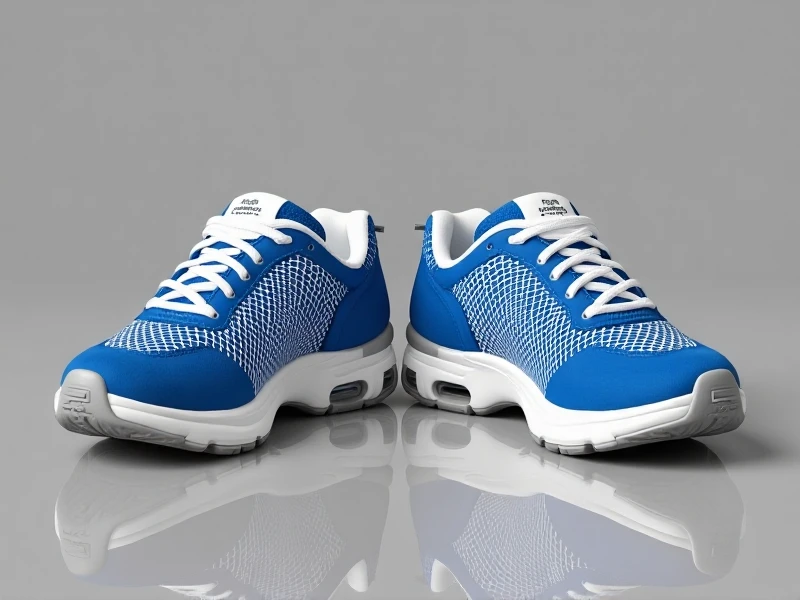
If you're passionate about hitting the pavement, trails, or treadmill, a great pair of running shoes can transform your experience. Not only do they boost performance, but they also prevent injuries by providing proper support and cushioning. In this guide, we'll explore how to choose the right running shoes for your needs, ensuring every run feels effortless and energizing.
First, understanding your foot type is key. Many runners overlook this, but it determines the level of arch support required. For instance, neutral runners can opt for standard cushioning, while those with overpronation benefit from stability running shoes. Next, consider the terrain. Road running shoes are designed for pavement and offer lightweight flexibility, whereas trail running shoes feature aggressive treads for grip on uneven surfaces. Brands like Nike, ASICS, and Brooks excel in these categories, but it's wise to test them in-store or during short jogs.
Distance matters too. If you're training for a marathon, invest in maximum-cushioned running shoes that absorb impact over long stretches. For faster sprints or short runs, minimalist styles promote natural movement and lighter weight. Proper fit is non-negotiable—always try shoes on later in the day when feet are slightly swollen, and ensure a thumb's width of space at the toe to avoid blisters. Don't forget breathability; mesh uppers in quality running shoes help keep feet cool and dry, especially in warmer weather.
Ultimately, investing in the best running shoes pays off with improved comfort and injury prevention. Rotate pairs every 300–500 miles to maintain performance, as worn-out soles lose their protective qualities. Ready to lace up? Visit local retailers to try on options or explore online reviews to find your ideal match. Happy running, and step confidently towards your fitness goals!
( 405)