The Ultimate Guide to Choosing the Perfect Pair of Running Shoes
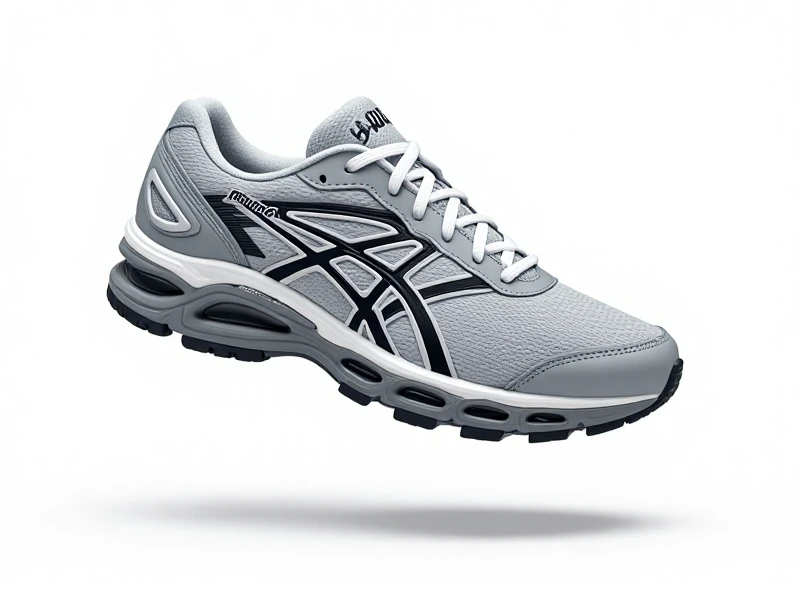
Running shoes are more than just athletic wear – they're engineered companions that transform your runs. Selecting the right pair can dramatically improve performance, prevent injuries, and heighten your enjoyment of every stride. As footwear technology advances, understanding key features becomes crucial for runners at all levels.
Proper fit is paramount. Ill-fitting running shoes cause blisters, black toenails, or even stress fractures. Measure both feet later in the day when they're slightly swollen, and prioritize thumbnail-length space at the toe. Consider gait analysis: pronators need stability shoes, while neutral runners may prefer cushioned models. Specialty running stores offer video assessments to match your biomechanics.
Modern innovations focus on responsiveness. Brands integrate nitrogen-injected midsoles for energy return and graphene-reinforced outsoles for durability. Breathable engineered mesh uppers regulate temperature during long runs, while rocker geometries promote smoother transitions. These technologies collectively reduce fatigue whether you're training for a marathon or enjoying a trail sprint.
Seasonal factors matter. Water-repellent uppers shield feet in rainy conditions, while ventilated summer versions enhance airflow. Rotate between two pairs to prolong shoe lifespan and let cushioning materials fully rebound between runs. Remember, even premium running shoes typically need replacement every 300-500 miles as shock absorption deteriorates.
Choosing your ideal running shoes is an investment in both performance and well-being. Analyze your running patterns, climate needs, and personal comfort preferences. Always try shoes with sport-specific socks and perform movement tests during fittings. With thoughtful selection, you'll unlock more joyful, injury-free miles ahead.